menu

Emergency Sewer Backup Cleanup in Salt Lake City – Rapid Response Teams Arrive Within 60 Minutes

When raw sewage floods your home or business, Crestline Plumbing Salt Lake City dispatches emergency sewer backup cleanup crews 24/7 to contain the damage, extract contaminated water, and sanitize your property before health risks escalate.

Slider Image 1
Slider Image 2
Slider Image 3
Slider Image 4
Slider Image 5
Slider Image 7
Slider Image 8
Slider Image 9
Slider Image 10
Slider Image 11

Why Sewer Backups Strike Salt Lake City Properties Without Warning

You walk into your basement and smell it before you see it. Raw sewage pooling across your floor. The toilet gurgling. Contaminated water seeping into drywall.

Sewer backups do not announce themselves. They explode into your life without warning, and in Salt Lake City, specific conditions make them more likely.

The Wasatch Front sits on expansive clay soil that shifts with seasonal moisture changes. When spring runoff saturates the ground or winter freeze-thaw cycles destabilize the earth, underground sewer lines crack or separate at the joints. Tree roots from mature cottonwoods and willows infiltrate these weak points, creating blockages that force sewage back into your home.

Salt Lake City's older neighborhoods, particularly those built before 1980, often have aging cast iron or clay pipes that corrode from the inside. When these lines fail, you need urgent sewage removal services immediately, not next week.

Raw sewage carries E. coli, hepatitis A, and other pathogens. Every minute it sits in your home increases contamination. Porous materials like carpet, drywall, and insulation absorb fecal matter and become biohazard breeding grounds. You cannot clean this yourself with a mop and bleach.

Emergency raw sewage extraction requires industrial pumps, antimicrobial treatments, and proper disposal protocols. This is not a DIY situation. This is a call-now crisis that demands 24 hour sewer overflow cleaning from trained technicians who understand contamination zones and cross-contamination risks.

The longer you wait, the more your property absorbs sewage, and the higher your restoration bill climbs.

Why Sewer Backups Strike Salt Lake City Properties Without Warning
How Professional Sewer Backup Extraction Stops Contamination Fast

How Professional Sewer Backup Extraction Stops Contamination Fast

When you call for rapid sewer backup restoration, the first priority is stopping the source. If the blockage sits in your main line, we use high-pressure jetting or mechanical augering to clear the obstruction and halt the flow. If the backup originates from the city main, we coordinate with Salt Lake City Public Utilities while containing the damage inside your property.

Next comes immediate sewage spill mitigation. We isolate contaminated areas using physical barriers and negative air pressure to prevent airborne pathogens from spreading. Truck-mounted extractors remove standing sewage and black water, pumping thousands of gallons per hour into sealed waste tanks for proper disposal at approved facilities.

Surface extraction is only the beginning. Sewage wicks into subflooring, wall cavities, and HVAC ducts. We use moisture meters and thermal imaging cameras to map hidden saturation. Contaminated materials that cannot be salvaged, like carpet padding and Category 3 drywall, get bagged and removed following OSHA bloodborne pathogen standards.

After extraction, we apply EPA-registered antimicrobial agents to all affected surfaces. These hospital-grade disinfectants kill bacteria, viruses, and fungi on contact. We do not use household cleaners. We use the same quaternary ammonium compounds and phenolic disinfectants used in medical waste cleanup.

Commercial-grade air movers and dehumidifiers run for 72 to 96 hours to dry structural materials below 15 percent moisture content, the threshold where mold cannot colonize. We monitor this with daily readings, not guesswork.

This process follows IICRC S500 and S520 standards for water damage restoration and mold remediation. Shortcuts create long-term health hazards and insurance claim denials.

What Happens When You Call for Emergency Sewer Cleanup

Emergency Sewer Backup Cleanup in Salt Lake City – Rapid Response Teams Arrive Within 60 Minutes
01

Immediate Dispatch and Containment

Within 60 minutes of your call, our emergency crew arrives with extraction equipment, personal protective gear, and containment barriers. We assess the contamination zone, shut off water sources if needed, and establish physical barriers to prevent sewage from spreading to unaffected areas. You receive a verbal explanation of the scope and immediate action plan. We document everything with photos for your insurance claim before touching anything.
02

Extraction and Disinfection

Truck-mounted pumps extract standing sewage and contaminated water from floors, carpets, and subflooring. We remove unsalvageable materials like soaked insulation and Category 3 drywall, then apply hospital-grade antimicrobial treatments to all affected surfaces. This phase includes air scrubbing with HEPA filtration to remove airborne contaminants. We monitor moisture levels in walls and floors using thermal imaging and moisture meters to ensure no hidden saturation remains.
03

Drying and Final Clearance

Industrial dehumidifiers and air movers run continuously for three to four days to reduce structural moisture below 15 percent. We take daily readings and adjust equipment placement as needed. Once moisture levels stabilize and air quality testing confirms safe particulate counts, we provide written clearance documentation. You receive a detailed report showing before and after moisture readings, photos of the work completed, and recommendations for any necessary repairs or sewer line upgrades.

Why Salt Lake City Property Owners Trust Local Sewer Emergency Experts

When sewage floods your property, you need a crew that understands Salt Lake City's specific infrastructure challenges, not a generic franchise reading from a national script.

Crestline Plumbing Salt Lake City knows the sewer systems in neighborhoods like Sugar House, The Avenues, and Rose Park. We know which areas have combined storm and sewer systems that overload during spring runoff. We know where the city replaced clay lines with PVC in the 1990s and where original 1950s cast iron still runs under driveways.

This matters because the right response depends on the cause. If your backup stems from a city main issue, we coordinate directly with Salt Lake City Public Utilities while protecting your property. If tree roots infiltrated your lateral line, we handle the excavation permits and coordinate with Salt Lake County health department requirements for contaminated soil disposal.

We operate 24/7 because sewer backups do not wait for business hours. You call at 2 a.m. on Sunday, and a trained crew arrives before sunrise. We keep fully stocked trucks on standby with extraction pumps, antimicrobial supplies, and PPE. No waiting for equipment rentals or supply runs.

Our technicians hold IICRC certifications in water damage restoration and applied microbial remediation. They understand the difference between Category 1, 2, and 3 water contamination and follow strict protocols for each. They know when materials can be saved and when they must be discarded to protect your health.

We also work directly with every major insurance carrier operating in Utah. We provide detailed documentation, moisture readings, and photo evidence to support your claim. We can bill your insurance directly in many cases, reducing your out-of-pocket stress during an already difficult situation.

What to Expect During Emergency Sewer Backup Restoration

Response Time and Availability

We dispatch emergency crews 24 hours a day, 365 days a year. When you call our emergency line, you speak to a live person immediately, not an answering service. We commit to on-site arrival within 60 minutes for properties inside Salt Lake County. Our trucks carry everything needed for immediate containment and extraction, so we start working the moment we arrive. You do not wait until morning or for a callback. Sewage contamination requires immediate action, and we treat every call with that urgency. Early morning, late night, holidays, it makes no difference.

Assessment and Scope Documentation

Before any cleanup begins, we walk you through the entire property to identify all affected areas. We use moisture meters to check walls, thermal imaging to find hidden saturation, and visual inspection to assess contamination levels. You receive a verbal explanation of what needs to happen and why, in plain language. We take extensive photos and detailed notes for your insurance claim. This documentation includes moisture readings, contaminated material identification, and a written scope of work. You know exactly what we plan to do before we do it, and we answer every question you have about the process or timeline.

Cleanup Quality and Contamination Control

Raw sewage cleanup requires more than just pumping out water. We follow IICRC S500 standards for Category 3 water damage, which means treating everything as a biohazard. Contaminated materials go into sealed biohazard bags for proper disposal. We apply EPA-registered antimicrobials to all affected surfaces, not household disinfectants. Air scrubbers with HEPA filters remove airborne pathogens during the entire process. We isolate work zones with physical barriers and negative air pressure to prevent contamination spread. The final result is a property that meets safe air quality and moisture standards, verified with testing equipment and documented in writing.

Post-Cleanup Support and Prevention

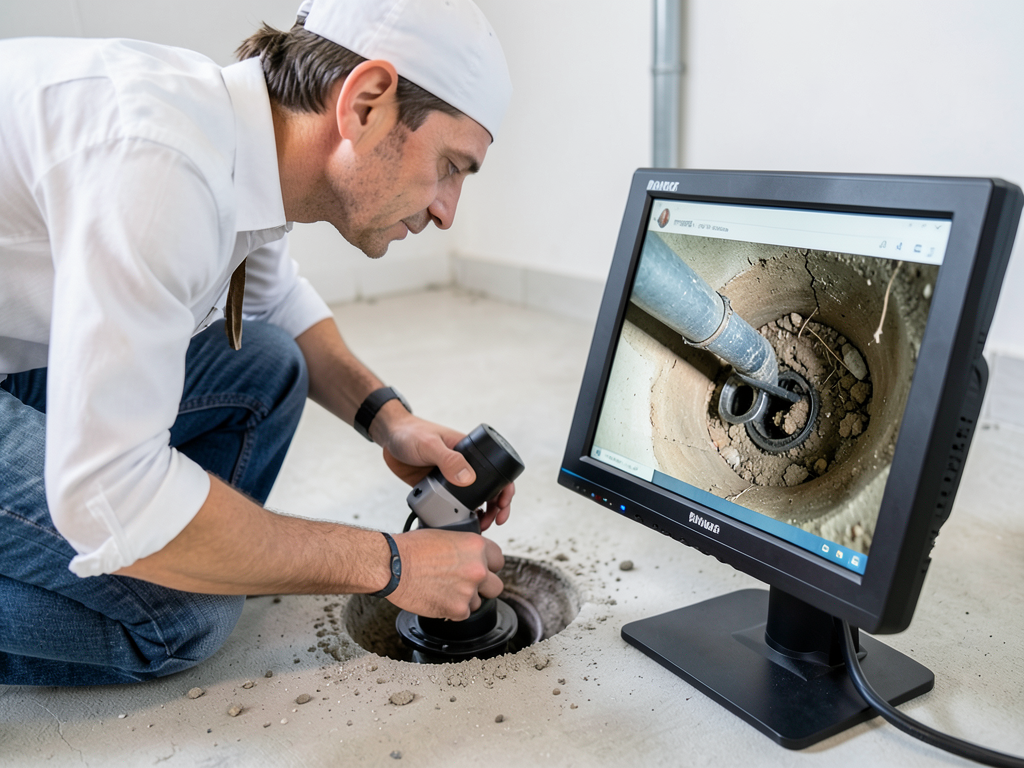
After cleanup and drying finish, we provide a written clearance report with final moisture readings and air quality data. This documentation shows your property meets safe standards and supports any insurance or health department requirements. We also give you specific recommendations for preventing future backups, whether that means sewer line camera inspection, root barrier installation, or backwater valve upgrades. If your sewer lateral needs repair or replacement, we coordinate that work directly. We do not disappear after the emergency ends. You receive follow-up contact to confirm everything remains dry and odor-free, and we remain available for any questions about maintenance or prevention.

Frequently Asked Questions

You Have Questions,
We Have Answers

How do you clean up after sewer backup? +

Stop the water source immediately. Do not use toilets, sinks, or drains. Wear protective gloves, boots, and a mask. Remove standing water with a wet vac or pump. Bag and discard contaminated items that cannot be sanitized. Disinfect all hard surfaces with EPA-approved antimicrobial cleaner. Sewage contains dangerous bacteria and pathogens. Professional cleanup is critical for Salt Lake City homes because our older neighborhoods often have compromised sewer laterals that worsen contamination. A licensed restoration team extracts water, sanitizes surfaces, dries structural materials, and prevents mold growth. Do not delay. Contamination spreads fast.

How much does sewage backup cleanup cost? +

Cleanup costs depend on contamination extent, affected square footage, and structural damage. Minor backups affecting a bathroom may cost less, while basement floods with extensive water damage cost more. Salt Lake City homes with finished basements face higher costs due to drywall removal, flooring replacement, and insulation disposal. Insurance may cover part or all of the cost if you have sewer backup coverage. Most policies exclude sewer backup unless you purchased the rider. Get multiple quotes, but prioritize speed over price. Delayed cleanup leads to mold, which increases restoration costs significantly. Act now.

What to do if the sewer is backing up? +

Stop using all water immediately. Do not flush toilets or run sinks. Shut off the main water supply if the backup worsens. Move people and pets away from contaminated areas. Call a licensed plumber right away. Sewer backups in Salt Lake City often result from tree root intrusion or collapsed clay pipes common in older neighborhoods. A plumber will camera inspect the line, locate the blockage, and clear it with hydro jetting or mechanical snaking. If sewage floods your home, call a restoration specialist simultaneously. Time matters. Sewage exposure creates serious health risks within hours.

How to get rid of sewer smell after a backup? +

Ventilate the space immediately. Open windows and run fans to circulate air. Remove all contaminated materials, including carpets, padding, and porous items that absorbed sewage. Clean hard surfaces with enzymatic or antimicrobial cleaner designed for sewage odors. Standard household cleaners will not eliminate the smell. Salt Lake City's dry climate helps with evaporation, but trapped moisture in walls or subflooring will cause persistent odors. Use a HEPA air scrubber to filter airborne particles. If the smell persists after cleaning, sewage likely penetrated structural materials. You need professional remediation to locate and remove the source.

How long do sewage bacteria last on surfaces? +

Sewage bacteria can survive on surfaces for days or weeks depending on moisture, temperature, and material type. Pathogens like E. coli, salmonella, and hepatitis A thrive in damp conditions. Porous materials like drywall, insulation, and carpet trap bacteria deep within fibers where surface cleaning cannot reach. Salt Lake City's temperature swings can slow bacterial die-off indoors during cooler months. Hard surfaces must be disinfected with EPA-registered antimicrobial solutions. Porous materials exposed to sewage should be removed and discarded. Do not assume air drying kills bacteria. Professional sanitation is the only safe approach.

Can you clear a main sewer line clog yourself? +

You can attempt it, but success depends on the blockage type and location. Store-bought drain snakes reach 25 feet at most. Main sewer lines run 50 to 100 feet or more from your home to the street connection. Tree roots, collapsed pipes, or offset joints require professional equipment. Salt Lake City's mature trees and aging clay sewer laterals make DIY clearing risky. You may push the blockage deeper or damage the pipe. A licensed plumber uses camera inspection to diagnose the problem and hydro jetting to clear roots and grease buildup safely. Avoid chemical drain cleaners. They corrode pipes and worsen damage.

Does homeowners insurance cover sewer back ups? +

Standard homeowners insurance does not cover sewer backups. You must purchase a separate sewer backup endorsement or rider. This optional coverage protects against damage caused by water backing up through drains, toilets, or sump pumps. Many Salt Lake City homeowners skip this coverage and face thousands in out-of-pocket costs. The rider is inexpensive compared to cleanup expenses. Review your policy now. If you do not have coverage, add it immediately. Some insurers impose waiting periods before coverage begins. If you already experienced a backup, file a claim fast. Document everything with photos and keep contaminated items until the adjuster inspects.

Why is my sewer bill 200 dollars? +

Your sewer bill is separate from water usage and covers wastewater treatment by Salt Lake City Public Utilities. High bills result from tiered rate structures, base fees, or increased consumption. If your bill spiked suddenly, check for leaks or running toilets that waste water and increase sewer charges. Some cities calculate sewer fees based on winter water usage, assuming less irrigation and more wastewater. Review your billing statement for errors or rate changes. Contact Salt Lake City Public Utilities to dispute charges or request a meter test. High sewer bills do not indicate a sewer backup, but persistent clogs may signal a line issue worth inspecting.

How long does it take a plumber to unclog a main sewer line? +

Most main sewer line clogs take one to three hours to clear, depending on blockage severity and access point location. Simple stoppages caused by grease or paper clear quickly with a mechanical snake. Tree root intrusion or collapsed pipes take longer and may require hydro jetting or trenchless pipe repair. Salt Lake City's older sewer laterals often need camera inspection first to locate the problem accurately. If your plumber discovers structural damage, clearing the clog is only the first step. You may need pipe lining or replacement to prevent future backups. Emergency service is available 24/7. Do not wait overnight.

What is the most common cause of sewer backup? +

Tree root intrusion is the leading cause of sewer backups in Salt Lake City. Mature trees like cottonwoods and willows seek moisture and infiltrate clay pipe joints. Roots form dense mats that trap debris and block flow. Other common causes include flushing non-biodegradable items, pouring grease down drains, or aging pipes that collapse or offset over time. Salt Lake City's freeze-thaw cycles stress older sewer laterals, causing cracks and misalignment. Heavy spring runoff can overwhelm municipal systems and push water back into homes. Regular camera inspections and preventive hydro jetting remove roots before they cause catastrophic backups. Schedule maintenance annually.

How Salt Lake City's Clay Soil and Mature Trees Create Sewer Line Failures

Salt Lake City sits on Lake Bonneville clay, an expansive soil that swells when wet and shrinks when dry. This cycle repeats every spring and fall, creating ground movement that stresses underground sewer laterals. Joints separate, pipes crack, and tree roots from the city's mature cottonwood and willow population infiltrate these weak points. Neighborhoods like The Avenues and Federal Heights, with homes built in the 1920s through 1950s, often have original clay or cast iron sewer lines that cannot withstand this constant shifting. When these lines fail during spring snowmelt or summer monsoon storms, emergency sewer backup cleanup becomes critical to prevent raw sewage from contaminating living spaces.

Salt Lake City requires sewer work permits through the Department of Public Utilities, and contaminated soil from sewer backups must be disposed of at approved facilities following Salt Lake County Health Department regulations. We maintain these permits and understand local code requirements for sewer lateral repairs, backwater valve installations, and contaminated material disposal. This local expertise means faster response times, proper regulatory compliance, and direct coordination with city utilities when main line issues contribute to your backup. Choosing a provider familiar with Salt Lake City's specific infrastructure and regulatory environment protects you from cleanup shortcuts and code violations that create liability.
Plumbing Services in The Salt Lake City Area

We are proud to be a locally owned and operated business, dedicated to serving the entire Salt Lake City area and surrounding communities. Use the map below to pinpoint our location or to better understand our full service coverage across the region. If you need immediate assistance or would like to confirm that your home or business is within our guaranteed service area, please call our office directly—our warm, professional team is always ready to dispatch an expert to your location quickly.

Address:
Crestline Plumbing Salt Lake City, 222 S Main St, Salt Lake City, UT, 84101

Additional Services We Offer

Our news updates

Latest Articles & News from The Blogs

Removing White Crusty Buildup from Your Showerheads and Faucets White crusty buildup on your showerheads and faucets isn’t just an…

Removing White Crusty Buildup from Your Showerheads and Faucets

Removing White Crusty Buildup from Your Showerheads and Faucets White crusty buildup on your showerheads and faucets isn’t just an…

What to Do When Your Swamp Cooler Starts Leaking on Your Roof

What to Do When Your Swamp Cooler Starts Leaking on Your Roof A swamp cooler leaking onto your roof creates…

How to Prepare Your Outdoor Kitchen for a Salt Lake City Summer

How to Prepare Your Outdoor Kitchen for a Salt Lake City Summer Your outdoor kitchen needs more than just a…

Contact Us

Raw sewage does not wait, and neither should you. Call Crestline Plumbing Salt Lake City now at (385) 406-8899 for immediate dispatch. Our emergency crews are standing by 24/7 with the equipment and expertise to contain the damage and protect your health.