
How to Legally Set Up a Rainwater Harvesting System for Your Garden in Salt Lake City
Utah law changed in 2010 with Senate Bill 32, making rainwater harvesting legal for residential use. The Utah Division of Water Rights now allows homeowners to collect up to 2,500 gallons per parcel without special permits, provided you register your system if it exceeds 100 gallons. This guide covers the legal requirements, plumbing codes, and practical steps to set up a compliant rainwater harvesting system in Salt Lake City. Utah Division of Water Rights registration.
Understanding Utah’s Rainwater Harvesting Laws
Utah’s rainwater harvesting framework falls under Utah Code Section 73-3-1.5, which defines “beneficial use” of precipitation. The law creates two tiers of storage based on container size and location. Utah Code Section 73-3-1.5.
- Under 100 Gallons
No registration required. You can use up to 100 gallons in two containers of 50 gallons each for outdoor use only.. Read more about Upgrading to Frost-Proof Outdoor Faucets for Your Highland Park Garden.
- 101-2,500 Gallons
Registration required with the Utah Division of Water Rights. You must submit an online form detailing your system’s capacity and intended use. Best Water Softener Installation Services in Salt Lake City to Fight Hard Water.
Registration Requirements with the Utah Division of Water Rights
For systems over 100 gallons, you must register through the Utah Division of Water Rights. The process takes about 10 minutes and requires: Water Main Leak Detection and Repair in Holladay.
- Your name and property address
- Estimated annual precipitation capture
- Intended uses (irrigation, car washing, etc.)
- System capacity and container locations
The registration form is available at waterrights.utah.gov. Registration is free and provides legal protection for your system. Water Stains on Ceiling or Walls.
Salt Lake City Plumbing Codes and Backflow Prevention
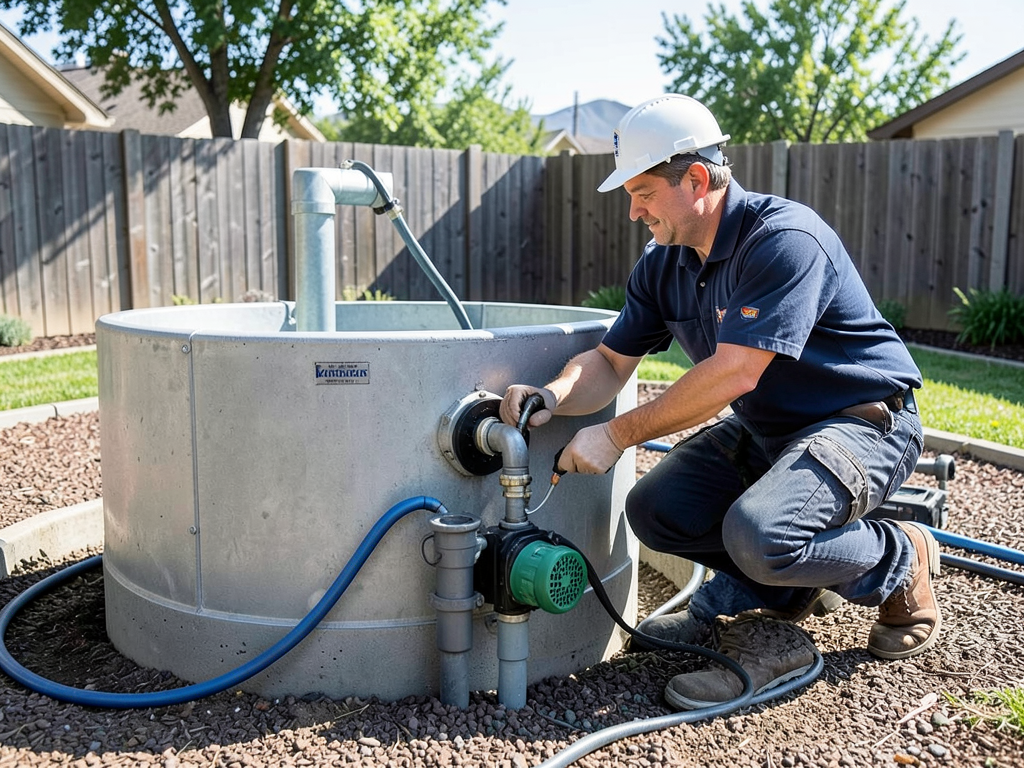
Salt Lake City Public Utilities requires backflow prevention assemblies for any rainwater system that connects to existing plumbing. This prevents cross-contamination between harvested water and the municipal supply. Reliable Plumbing Repair for Historic Homes in The Avenues.
Key requirements include:
- Air gap separation between rainwater and potable water lines
- Reduced pressure principle backflow preventer for pressurized systems
- Annual testing by a certified backflow prevention assembly tester
The Uniform Plumbing Code adopted by Utah requires all non-potable water systems to be clearly labeled and separated from culinary water lines. This includes using purple pipe or clear labeling on all connections.. Read more about Is a Secondary Water System Right for Your Landscape Needs in Layton?.
Permitted Uses for Harvested Rainwater
Utah law restricts rainwater use to outdoor, non-potable applications. You can legally use harvested water for:
- Landscape irrigation
- Garden watering
- Car washing
- Outdoor cleaning
- Composting
Indoor use is prohibited unless the system includes additional treatment and meets potable water standards, which requires separate permitting and inspection.
System Components and Installation Requirements
A compliant rainwater harvesting system includes several critical components:
First Flush Diverters
First flush diverters remove debris and contaminants from the initial runoff. Utah’s arid climate means dust and bird droppings accumulate on roofs between storms. A properly sized diverter ensures cleaner water reaches your storage tanks.
Mosquito Abatement and Screening
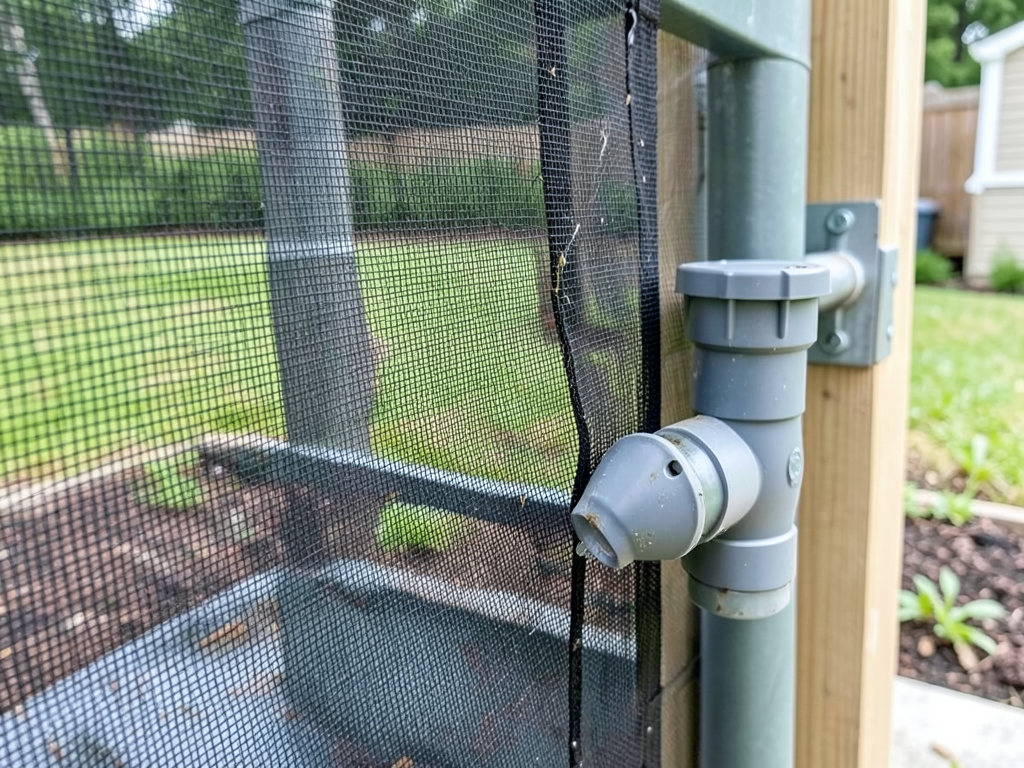
Utah’s Division of Water Quality requires all rainwater containers to have secure screens to prevent mosquito breeding. Fine mesh screens (1/16 inch or smaller) must cover all openings, including overflow outlets and vents.
Overflow Management
Proper overflow design prevents foundation damage during heavy storms. Systems must direct excess water at least 5 feet away from building foundations, ideally to landscaped areas or storm drains. Expert Drain Cleaning in Sandy UT for Stubborn Clogs.
Underground vs. Above-Ground Storage Options
Your choice between underground cisterns and above-ground barrels affects both compliance and performance:
| Storage Type | Capacity Range | Installation Requirements | Best For |
|---|---|---|---|
| Above-Ground Barrels | 50-200 gallons | Level surface, UV protection | Small gardens, patios |
| Underground Cisterns | 500-2,500 gallons | Excavation, permits, backflow preventer | Larger properties, year-round use |
| Modular Systems | 100-1,000 gallons | Above-ground with underground connections | Medium gardens, aesthetic concerns |
Winterization for Salt Lake City’s Climate
Salt Lake City’s freeze-thaw cycles require specific winterization steps:
- Drain all above-ground components before first freeze
- Insulate exposed pipes with foam pipe insulation
- Install frost-proof spigots for outdoor connections
- Consider underground storage for year-round use
Clay soils in the Salt Lake Valley expand when wet and freeze, potentially damaging underground pipes. Use flexible connections and proper bedding material around buried components.. Read more about Connecting Your West Valley City Sprinkler System to a Secondary Water Connection.
Cost-Benefit Analysis for Salt Lake City Residents
Water rates in Salt Lake City have increased 15% over the past three years. A typical 1,000-gallon system can offset 30-40% of landscape irrigation costs during the growing season.
Payback periods vary by system size:
- DIY Barrels: 2-3 years
- Professional Installation: 3-5 years
- Underground Systems: 5-7 years
Additional benefits include reduced stormwater runoff, foundation protection, and drought resilience during summer watering restrictions.. Read more about How to Protect Your Foundation from Spring Snowmelt in the Wasatch Foothills.
How Crestline Plumbing Helps SLC Residents Comply
Professional installation ensures your system meets all legal requirements while maximizing efficiency. Our licensed plumbers understand the specific challenges of Salt Lake City’s climate and building codes.
We provide:
- Permit acquisition and registration assistance
- Backflow prevention assembly installation and testing
- Custom system design for your property’s specific needs
- Winterization services and maintenance
- Integration with existing irrigation systems
Call (385) 406-8899 today to schedule your inspection. We’ll evaluate your property and design a system that keeps you compliant while saving water.
Common Mistakes to Avoid
Many homeowners make these errors when setting up rainwater systems:
- Exceeding the 2,500-gallon limit without proper registration
- Connecting harvested water to indoor plumbing
- Skipping backflow prevention requirements
- Using improper materials that degrade in UV exposure
- Neglecting overflow management causing foundation damage
Professional installation prevents these costly mistakes and ensures long-term system reliability.
Maintenance Schedule for Optimal Performance
Regular maintenance keeps your system functioning properly:
- Monthly: Check for leaks, clean screens, inspect connections
- Quarterly: Test backflow preventer, clean gutters
- Annually: Professional inspection, system winterization
Hard water in Salt Lake City can cause mineral buildup in pipes and valves. Annual cleaning prevents reduced flow and system failures.
Frequently Asked Questions
Do I need a permit for a small rain barrel system?
No permit is required for systems under 100 gallons. However, you must still follow backflow prevention requirements if connecting to existing plumbing.
Can I use rainwater for my vegetable garden?
Yes, rainwater is safe for vegetable gardens when collected properly. Use first flush diverters and clean storage containers to minimize contamination risks.
What happens if I don’t register my system?
Systems over 100 gallons require registration. While enforcement is rare, unregistered systems may face compliance issues during property sales or inspections.
How do I calculate how much water I can collect?
Multiply your roof area by 0.623 gallons per square foot per inch of rain. A 1,000-square-foot roof can collect about 623 gallons from a 1-inch rainfall.
Can I connect multiple barrels together?
Yes, you can connect multiple barrels using proper fittings and overflow management. Ensure all connections are secure and screened to prevent mosquito breeding.. Read more about Using Greywater to Keep Your Holladay Landscape Green During a Drought.
Ready to start harvesting rainwater legally? Call (385) 406-8899 today. Our team will guide you through registration, design a compliant system, and handle all plumbing requirements. Don’t wait until the next storm – pick up the phone and call (385) 406-8899 before the next storm hits.
{
“@context”: “https://schema.org”,
“@type”: “BlogPosting”,
“headline”: “How to Legally Set Up a Rainwater Harvesting System for Your Garden in Salt Lake City”,
“description”: “Learn Utah’s rainwater harvesting laws, registration requirements, and plumbing codes for Salt Lake City. Stay compliant while saving water.”,
“wordCount”: 1166,
“datePublished”: “2026-05-23T10:24:00.000Z”,
“dateModified”: “2026-05-23T10:24:00.000Z”,
“inLanguage”: “en-US”,
“mainEntityOfPage”: {
“@type”: “WebPage”,
“@id”: “https://crestlineplumbingsaltlakecity.com”
},
“publisher”: {
“@type”: “LocalBusiness”,
“name”: “Crestline Plumbing Salt Lake City”,
“url”: “https://crestlineplumbingsaltlakecity.com”
},
“author”: {
“@type”: “Organization”,
“name”: “Crestline Plumbing Salt Lake City”,
“url”: “https://crestlineplumbingsaltlakecity.com”
},
“image”: {
“@type”: “ImageObject”,
“url”: “https://crestlineplumbingsaltlakecity.com/wp-content/uploads/2026/03/how-to-legally-set-up-a-rainwater-harvesting-syste-1.png”
}
}
{
“@context”: “https://schema.org”,
“@type”: “Plumber”,
“name”: “Crestline Plumbing Salt Lake City”,
“url”: “https://crestlineplumbingsaltlakecity.com”,
“address”: {
“@type”: “PostalAddress”,
“addressLocality”: “Salt Lake City”
},
“areaServed”: {
“@type”: “City”,
“name”: “Salt Lake City”
}
}
{
“@context”: “https://schema.org”,
“@type”: “FAQPage”,
“mainEntity”: [
{
“@type”: “Question”,
“name”: “Do I need a permit for a small rain barrel system?”,
“acceptedAnswer”: {
“@type”: “Answer”,
“text”: “No permit is required for systems under 100 gallons. However, you must still follow backflow prevention requirements if connecting to existing plumbing.”
}
},
{
“@type”: “Question”,
“name”: “Can I use rainwater for my vegetable garden?”,
“acceptedAnswer”: {
“@type”: “Answer”,
“text”: “Yes, rainwater is safe for vegetable gardens when collected properly. Use first flush diverters and clean storage containers to minimize contamination risks.”
}
},
{
“@type”: “Question”,
“name”: “What happens if I don’t register my system?”,
“acceptedAnswer”: {
“@type”: “Answer”,
“text”: “Systems over 100 gallons require registration. While enforcement is rare, unregistered systems may face compliance issues during property sales or inspections.”
}
},
{
“@type”: “Question”,
“name”: “How do I calculate how much water I can collect?”,
“acceptedAnswer”: {
“@type”: “Answer”,
“text”: “Multiply your roof area by 0.623 gallons per square foot per inch of rain. A 1,000-square-foot roof can collect about 623 gallons from a 1-inch rainfall.”
}
},
{
“@type”: “Question”,
“name”: “Can I connect multiple barrels together?”,
“acceptedAnswer”: {
“@type”: “Answer”,
“text”: “Yes, you can connect multiple barrels using proper fittings and overflow management. Ensure all connections are secure and screened to prevent mosquito breeding.”
}
}
]
}
{
“@context”: “https://schema.org”,
“@type”: “HowTo”,
“name”: “Utah Rainwater Storage Tiers”,
“step”: [
{
“@type”: “HowToStep”,
“position”: 1,
“name”: “Under 100 Gallons”,
“text”: “No registration required. You can use up to 100 gallons in two containers of 50 gallons each for outdoor use only.”
},
{
“@type”: “HowToStep”,
“position”: 2,
“name”: “101-2,500 Gallons”,
“text”: “Registration required with the Utah Division of Water Rights. You must submit an online form detailing your system’s capacity and intended use. Best Water Softener Installation Services in Salt Lake City to Fight Hard Water.”
}
],
“image”: “https://crestlineplumbingsaltlakecity.com/wp-content/uploads/2026/03/how-to-legally-set-up-a-rainwater-harvesting-syste-1.png”
}
{
“@context”: “https://schema.org”,
“@type”: “BreadcrumbList”,
“itemListElement”: [
{
“@type”: “ListItem”,
“position”: 1,
“name”: “Home”,
“item”: “https://crestlineplumbingsaltlakecity.com”
},
{
“@type”: “ListItem”,
“position”: 2,
“name”: “Blog”,
“item”: “https://crestlineplumbingsaltlakecity.com/blog”
},
{
“@type”: “ListItem”,
“position”: 3,
“name”: “How to Legally Set Up a Rainwater Harvesting System for Your Garden in Salt Lake City”
}
]
}
{
“@context”: “https://schema.org”,
“@type”: “Service”,
“serviceType”: “Plumbing”,
“provider”: {
“@type”: “LocalBusiness”,
“name”: “Crestline Plumbing Salt Lake City”,
“url”: “https://crestlineplumbingsaltlakecity.com”
},
“areaServed”: {
“@type”: “City”,
“name”: “Salt Lake City”
},
“description”: “Learn Utah’s rainwater harvesting laws, registration requirements, and plumbing codes for Salt Lake City. Stay compliant while saving water.”
}